What Is Birth Care Malpractice?
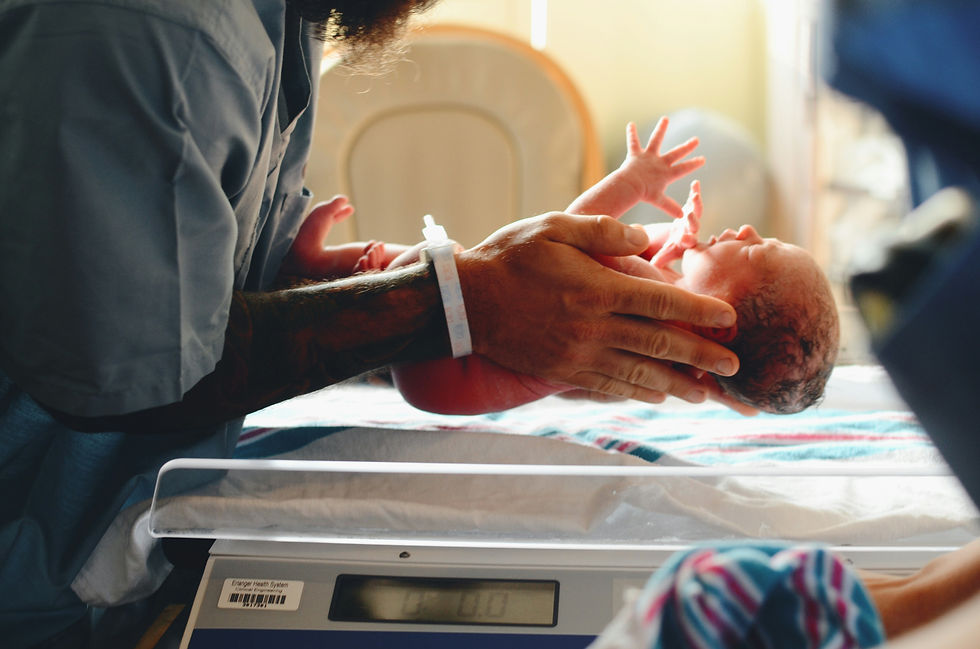
Birth care malpractice refers to negligent medical care provided during the prenatal period, labor, delivery, or immediate postpartum phase that causes injury to the mother, baby, or both. It is one of the most devastating types of medical malpractice because the injuries sustained at birth often result in long-term or permanent disabilities that require a lifetime of medical care, therapy, and support.
Healthcare providers involved in labor and delivery—including OB-GYNs, nurses, midwives, anesthesiologists, and neonatologists—are held to a professional standard of care. This means they are expected to act with the same level of skill and attentiveness as other reasonably qualified professionals in the same situation. When they fail to do so—by missing signs of fetal distress, mishandling delivery tools, or delaying emergency interventions—it can lead to catastrophic outcomes.
Birth malpractice is distinct in that the injuries often affect two patients: the child and the birthing parent. It may involve improper management of pregnancy complications, miscommunication among the care team, or failure to act during time-sensitive emergencies like umbilical cord compression or uterine rupture. Under Illinois law, victims of birth-related medical negligence have the right to pursue legal action and seek compensation for the physical, emotional, and financial harm caused.
Birth care malpractice occurs when a healthcare provider’s negligence during pregnancy, labor, delivery, or immediate postpartum care leads to harm for the mother, the baby, or both. These preventable medical errors can result in lifelong disabilities, developmental delays, or even death. In Illinois, victims of negligent prenatal or birth care have the right to pursue compensation for the injuries caused.
What sets birth malpractice apart from other types of medical negligence is its dual impact: both the child and the parent may suffer physical, emotional, and financial consequences. These injuries are often the result of a failure to monitor fetal distress, delay in performing a necessary C-section, improper use of forceps or vacuum extractors, or failure to identify pregnancy-related conditions like preeclampsia or gestational diabetes.
While not every bad birth outcome results from malpractice, a poor outcome caused by a preventable mistake—such as ignoring signs of fetal distress or mismanaging high-risk labor—is considered a breach of the standard of care.
Common Types of Birth Care Malpractice
Failure to Perform Timely C-Section: Delayed response to fetal distress can result in brain injury or stillbirth.
Improper Use of Forceps or Vacuum: Can cause nerve damage, skull fractures, or internal bleeding.
Failure to Monitor: Not properly tracking fetal heart rate or maternal vital signs during labor.
Shoulder Dystocia Mismanagement: Mishandling this emergency can cause brachial plexus injuries or permanent nerve damage.
Neglecting Maternal Conditions: Failure to diagnose or treat preeclampsia, gestational diabetes, or infections.
Consequences of Birth Malpractice
Cerebral palsy
Erb’s palsy or brachial plexus injuries
Seizures, brain damage, or HIE (hypoxic-ischemic encephalopathy)
Skull fractures or nerve damage
Postpartum hemorrhage or sepsis
Emergency hysterectomy or maternal death
Examples of Birth Malpractice Cases in Illinois
Delayed C-Section Results in Brain Damage: A baby suffered oxygen deprivation at a Chicago-area hospital when medical staff failed to act on signs of fetal distress. The child now lives with cerebral palsy.
Forceps Delivery Causes Skull Fracture: During an assisted delivery, a physician used excessive force with forceps, resulting in bleeding inside the baby’s brain and long-term cognitive impairments.
Undiagnosed Preeclampsia Leads to Emergency Delivery: A mother presenting with severe headaches and swelling late in pregnancy was discharged without testing. She later returned in critical condition, and her baby was delivered via emergency C-section with permanent injuries.
Proving a Birth Malpractice Case in Illinois
To succeed in a birth care malpractice lawsuit, the following elements must be proven:
A provider-patient relationship existed.
The healthcare provider breached the standard of care.
That breach directly caused injury to the mother or baby.
The injury led to damages, including medical costs, long-term care, or pain and suffering.
Expert medical testimony is almost always required to show how the standard of care was violated and how that caused harm.
Illinois Statute of Limitations for Birth Malpractice
Adults (mothers) have 2 years from the date of discovery, and no more than 4 years after the incident.
For minors (children injured at birth), lawsuits may be filed up until their 8th birthday, or 22nd birthday if the injury occurred before July 20, 1987.
Why Choose Hurley McKenna & Mertz for Birth Injury Malpractice Cases?
Our firm has secured multi-million dollar verdicts and settlements in complex birth injury cases involving:
Cerebral palsy from delayed delivery
Brachial plexus injuries from shoulder dystocia
Maternal death from untreated infections
Failure to transfer to labor and delivery in emergency settings
We work with leading OB-GYNs, neonatologists, and pediatric neurologists to investigate what went wrong—and how it could have been prevented.
Speak With a Chicago Birth Injury Malpractice Lawyer Today
If you or your child suffered an injury during pregnancy, labor, or delivery due to medical negligence, contact Hurley McKenna & Mertz, P.C. for a free consultation. Our team will review your case and fight for the justice and support your family deserves.
Serving clients in Cook County, DuPage County, Kane County, and throughout Illinois.


